Best Oils for Low Porosity Hair: Complete Guide
Best Oils for Low Porosity Hair. Chances are that you had the experience of putting oil on your hair and feeling that it does not absorb but rather stays on the surface of it. That is a sign that you have low porosity hair. The selection of the best oils for low porosity hair can turn the game of hair.
Lightweight, penetrating oils that will nourish and not be cumulative are needed on low porosity hair. We will divide the best hair oil for low porosity hair, the proper use of oils, and oils to avoid in this elaborate manual.
What Is Low-Porosity Hair?
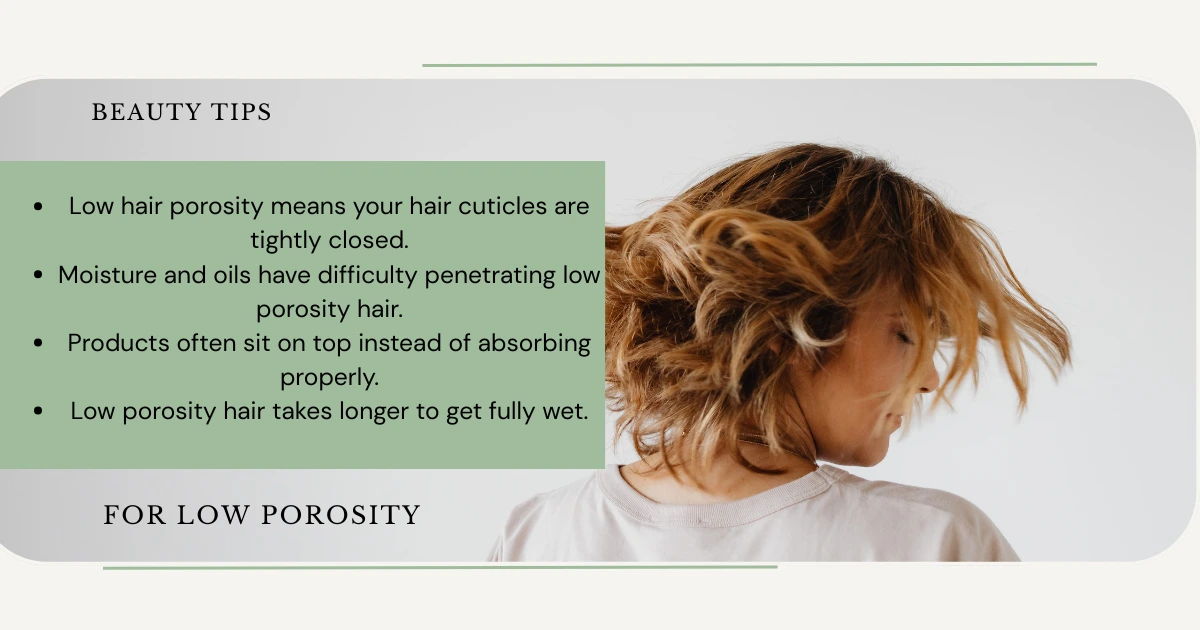
Hair with low porosity contains closely closed cuticles. This allows the moisture and oils to enter the hair shaft with difficulty.
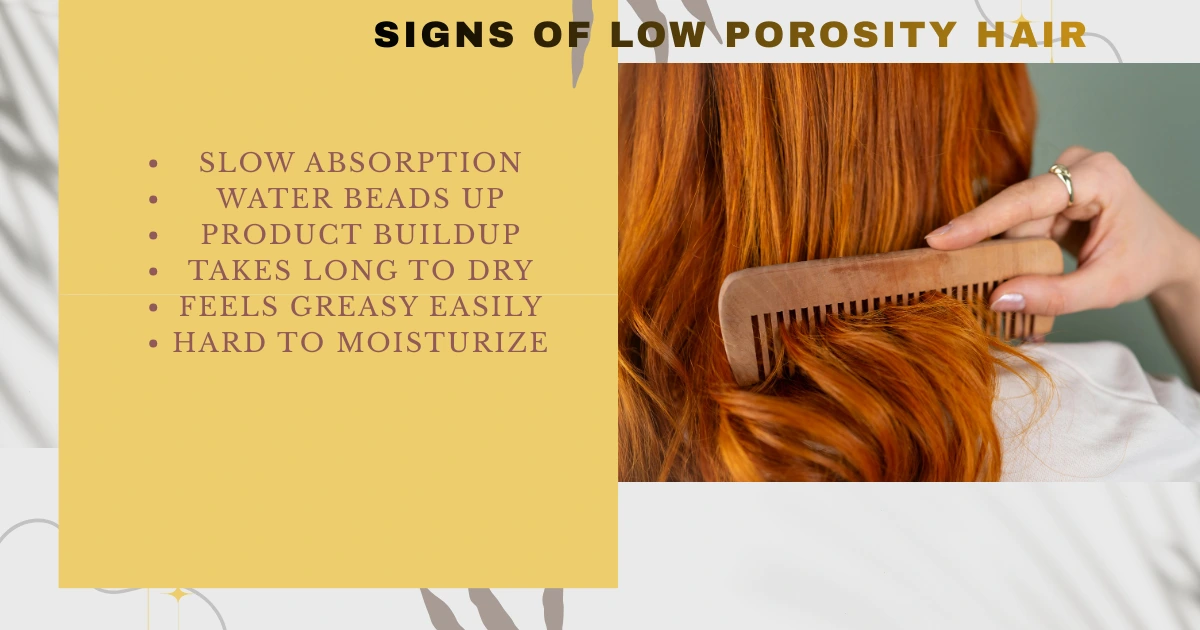
Indications that You Have Low Porosity Hair.
- Products sit on top of hair
- Water does not absorb, but it beads up.
- Hair requires time to become completely wet.
- Buildup happens easily
- The hair is dry despite the oiling.
Understanding this is important before choosing the best oils for low porosity hair.
The Benefits of Selecting the Right Oil to use on Low Porosity Hair.
Not all oils work the same way. Heavy oils have a tendency to build up and turn the hair with low porosity greasy and flat.
Best hair oils to be used on low-porosity hair are:
- Lightweight
- Fast absorbing
- Non-greasy
- Rich in nutrients
Prior to also thinking about wellness as a whole, it is worth keeping in mind that nutrition is also important. Healthy eating, such as a healthy breakfast habit, clear skin and detox drink guide
will not only grow hair stronger but will also promote hair growth.
The 7 Best Low porosity Hair oils.
Now we will have a glance at the highest-performing oils actually getting into low-porosity strands.
Argan Oil – Low Porosity Hair: One of the Best Oils.
Argan oil is not heavy and contains vitamin E.
The reason why argan oil works on low-porosity hair.
- Easily absorbed
- Reduces frizz
- Givers of a lustrous touch.
- Scalp oil with great scalp low porosity.
- Apply a little on wet hair.
- Jojoba Oil, Best Scalp Oil in Low Porosity Hair.
Jojoba oil is a replica of the natural oils that your head produces.
Jojoba Oil Advantages to Low Porosity Hair.
- Regulates the production of scalp oil.
- Prevents buildup
- Enhances healthy hair.
- Lightweight and non-greasy
In case of hair thinning, a good scalp oil (low porosity hair) mixed with regular exercising (such as simple exercise in weight loss gym routines) will help in increasing the blood flow thus helping in the growth of the hair.
Grapeseed Oil: Lightweight Oil for Low porosity Hair.
Grapeseed oil is very light and suitable for fine, low-porosity hair.
The reason it is the best hair oil for low-porosity hair.
- Absorbs quickly
- Strengthens strands
- Reduces breakage
- Doesn't weigh hair down
- Perfect for daily use.
- Low Porosity Low Oil, Sweet Almond.
- Sweet almond oil is light in but nourishing.
Benefits
- Adds softness
- Improves shine
- Helps with dryness
- Hot oil treatment Works well on hot oil.
Rosehip Oil – The best oil to use in low-porosity dry hair.
Rosehip oil contains a high amount of essential fatty acids.
It is good when your porous hair is unquenchable and dull.
Baobab Oil - Deep Nourishing Low Porosity Hair Oil.
The baobab oil is lighter than most of the heavier oils.
It helps:
- Restore elasticity
- Reduce split ends
- Improve softness
- Lightweight Avocado Oil (Refined).
Small quantities of refined avocado oil will be effective with low-porosity hair.
Do not overuse it as it would then be weighty.
Oils that should not be used on low-porosity hair.
Heavy oils which lie on the surface should be avoided:
- Castor oil (too thick)
- Uncooked coconut oil (may make it stiff)
- Olive oil (may cause buildup)
- The question many people will ask is: Is coconut oil good for low-porosity hair?
To the majority of individuals, it leads to overloading and dryness of proteins.
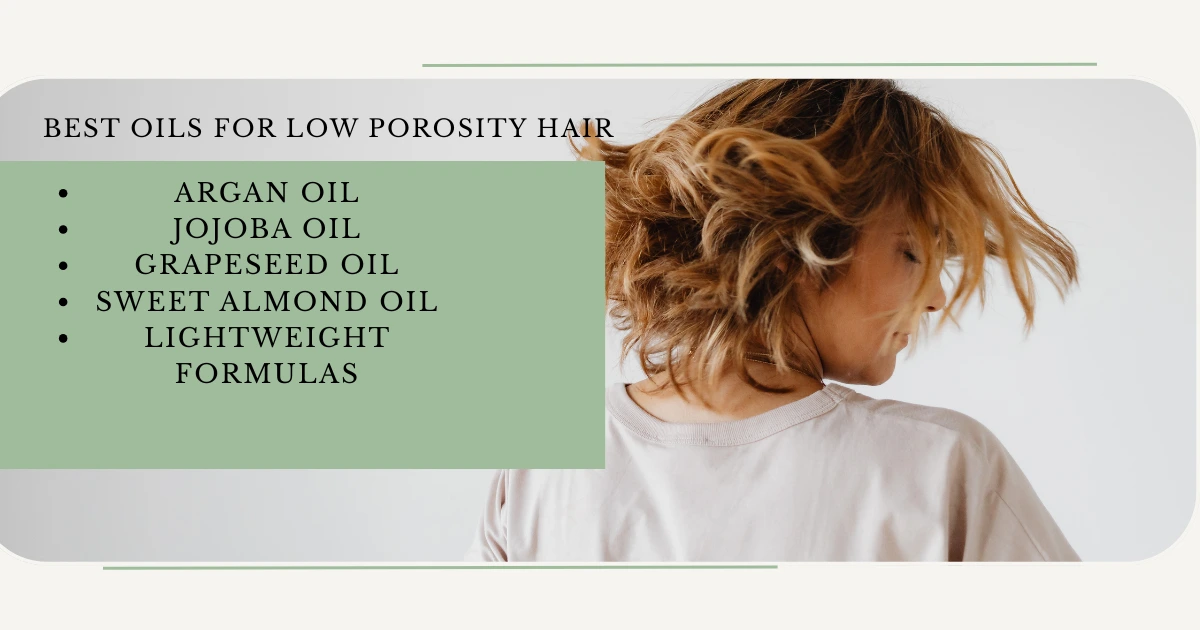
Learning how to put oil on low-porosity hair.
The finest oils on low-porosity hair will not work when applied in a wrong manner.
Step 1: Apply on Damp Hair
Hair with low porosity is best absorbed when it is slightly wet.
Step 2: Use Heat
Warm the oil, or wipe some warm towel and open the cuticles.
Step 3: Don't Overuse
Hair with low porosity does not require extensive oil unlike other hair.
Step 4: Clarify Regularly
Apply a demystifying shampoo after every month or so to avoid accumulation.
How frequently did you oil hair of low porosity?
1-2 times per week is enough
Avoid daily heavy oiling
Pay more attention to moisture other than oil.
Best Low Porosity Hair Growth Scalp Oil.
To achieve growth of hair, combine:
- Jojoba oil
- Argan oil
- A few drops of rosemary oil
- Rub in 5-10 minutes to enhance circulation.
Also bear in mind: growth of hair is dependent on general health. Healthy hair is maintained by proper hydration, a healthy balance of nutrition, and regular exercise.
High-porosity hair routine to use.
Here's a simple routine:
- Use lightweight shampoo
- Use water-based conditioner.
- Use one of the best hair oils with low-porosity hair.
- Heat conditioning one time a week.
It is better to be consistent than to have quantity.
The most common questions about the best oils to use on low-porosity hair.
What is the best oil that can be applied in low porosity hair?
Argan oil and jojoba oil have been termed as the best oils for low-porosity hair because of the lightweight structure.
Is coconut oil acceptable in low-porosity hair?
The majority of low-porosity hair types cannot deal with coconut oil, as it leads to buildup.
Which is the most appropriate scalp oil for low-porosity hair?
Jojoba oil is an excellent scalp oil for low-porosity hair since it resembles the natural scalp sebum.
Conclusions about the best oils to use on low-porosity hair.
The process of identifying the best oils to use with low-porosity hair does not necessarily have to be complex. The trick is to select light and quick-absorbing oils that feed without accumulation.
Stick to:
Heavy oils should be avoided and warmed to increase absorption, and a healthy lifestyle should be followed to make the hair stronger internally.
The combination of good nutrition, exercise, and appropriate hair care would give you the perfect hair-growing conditions.
More from our blog
See all posts