Mental Health and Women
The issue of mental health and its impact on women: Mental Health and Well-Being in Women.
The mental health of a woman is very crucial to the general health of that woman. Women are charged with a lot of work in their day-to-day lives, which includes family, work pressure, relationships, and social expectations. Due to this fact, mental health issues tend to hit women in different ways than men.
The knowledge about mental health and women is vital to build awareness, eliminate stigma, and aid emotional health. Women disregarding their mental well-being may impact their physical well-being, lifestyle, and quality of life.
In this blog, we shall elaborate on the role of mental health in women, common mental health conditions, causes, symptoms and the simplest methods by which women can preserve and better their mental health.
What Is Mental Health, and Why Does It Matter to Women?
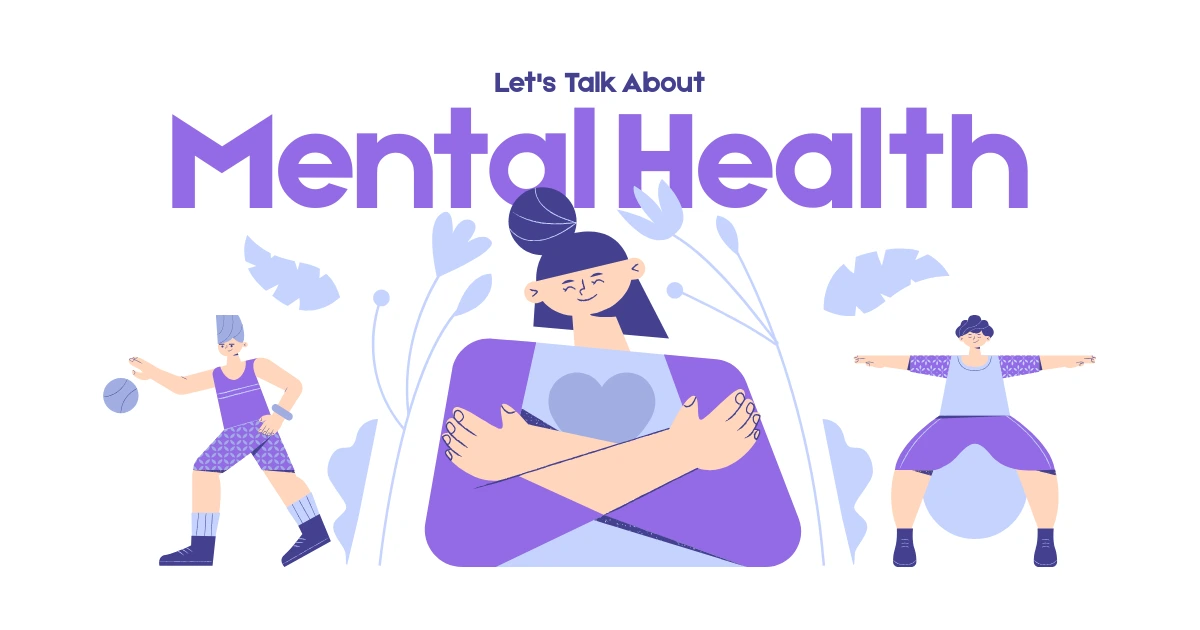
Mental health means emotional, psychological and social well-being. It influences the way women think, feel, and behave, as well as cope with stress. Having good mental health reduces poor choices and poor relationships, as well as enables women to remain productive.
By discussing mental health and women, we should realise that there are certain emotional and hormonal changes in women as they pass through their lives. Mental balance can be directly affected by these changes.
Women are able to:
Manage stress better
Feel emotionally strong
Keep good relations with others.
Take care of physical health
Mental health is, conversely, poor and may disrupt daily life and long-term wellbeing.
The Deep Relationship between Mental Health and Women.
Mental health and its relationship with women is a close and intricate one. All these have a biological, hormonal, emotional, and social contribution.
There are stages of life of women:
- Puberty
- Pregnancy
- Post-partum period
- Menopause
- Every phase is associated with emotional and mental shifts. Mood, sleep, energy, and emotional stability may vary because of hormonal changes.
Emotional stress is also caused by social pressure, caregiving role, and multitasking, which increases the importance of mental health care in women.
General Mental Health Problems in Women.
Awareness of common conditions would enable women to seek help early in life.
Depression and Mental Health and Women.
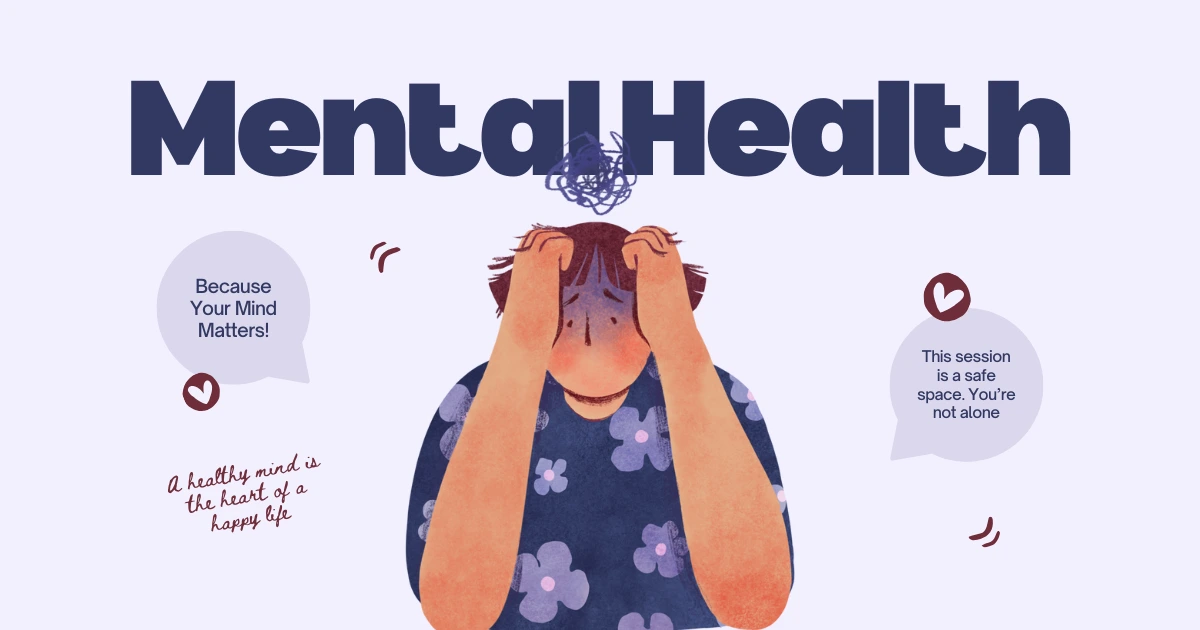
One of the most prevalent mental illnesses in women is depression. It leads to chronic sadness, lack of motivation and emotional exertion.
Common signs:
- Feeling hopeless
- Depression of everyday activities.
- Low energy
- Sleep problems
- Women disregard these symptoms, believing that they are normal stress.
Anxiety Disorders and Mental Health and Women.
Anxiety is an issue among many women because of work pressure, family and worry of expectations.
Symptoms include:
- Constant worry
- Restlessness
- Rapid heartbeat
- Difficulty concentrating
- Unless well managed, anxiety may have a physical toll on health.
- Mental Health and Stress and Women.
Chronic stress is extremely typical in women. Scheduling household, work and personal life without taking a break can be too much on the head.
Long-term stress may lead to:
- Fatigue
- Mood swings
- Digestive issues
- Sleep problems
- That is why the mental health and lifestyle balance of women are closely related.
The Impact of Mental Health on Women's Bodies.
Mental issues do not remain in the mind. They usually manifest themselves in physical form.
In most ways, there is a relationship between poor mental health and physical health in women:
- Headaches and body pain
- Digestive issues
- Hormonal imbalance
- Low immunity
Women who are mentally stressed could also find it difficult to maintain a low energy level and unhealthy habits.
It is in this area where normal movement, such as fat-burning exercises among women, can help in physical and mental health.
Mental Health and Female Hormonal Balance.
Mental health is affected by hormones and vice versa. Stress raises oestrogen and progesterone imbalance by increasing cortisol levels.
This may cause:
- Mood swings
- Irritability
- Anxiety
- Sleep disturbances
- Emotional stability can be maintained through maintenance of hormonal balance, and this is the reason why women should receive mental health care at all ages.
Effects of Mental Health on the Life of Women.
Poor mental health affects:
- Work performance
- Personal relationships
- Parenting
- Self-confidence
- Women can experience the feeling of being overwhelmed, fatigued, or emotionally detached. In the long run, this influences decision-making and self-care behaviours.
Ethnicity, Mental Health and Lifestyle Choices by Women.
Poorly mentally women can:
Skip meals
Overeat unhealthy food
Avoid physical activity
Experiences abnormal sleep patterns.
Energy and mood can be stabilised by means of simple habits such as selecting healthy breakfast ideas.
A nutritious breakfast contributes to the functioning and emotional stability of the brain, which is directly related to mental health.
The influence of social expectations on mental health and women.
The society tends to expect women to:
Be emotionally strong
Control everything flawlessly.
Put others first
Such expectations make people experience emotional pressure. Most women feel guilty about their focus on themselves, which is detrimental to the mental state.
It is crucial to break this pattern in order to be emotionally healthy.
Psychological Problems and Females at Various Stages of Life.
Mental Health and Young Adult Women.
Young women face:
- Academic stress
- Career pressure
- Relationship challenges
- These events are capable of raising anxiety and self-doubt.
Mental Health and Women in Motherhood.
Having a child is a happy experience, and yet it comes with its own emotional issues.
The mental health can be subject to pressure due to postpartum emotional changes, sleep deprivation, and new responsibilities in case the support is not provided.
Women with Mental Health during Menopause.
Menopause may cause hormonal changes that may result in:
- Mood swings
- Anxiety
- Emotional sensitivity
- At this stage mental health awareness is of maximum importance.
The Way Women Can Enhance Mental Health in a Natural Way.
Mental health is not necessarily a complex undertaking to improve. Little everyday practices bring about huge differences.
- Practise Self-Care
Self-care is not selfish. It makes women replenish their emotions.
Examples:
- Taking breaks
- Doing hobbies
- Spending quiet time alone
- Stay Physically Active
- Exercise enhances mental state and decreases stress hormones.
- Exercises such as fat burning among women assist in releasing endorphins, which in itself is a natural way of improving mental health.
- Eat Balanced Meals
- Eating is beneficial to the brain.
- By adhering to the easy, healthy breakfast concepts, one will feel stable in terms of energy and mood all day.
- Improve Sleep Quality
- Sleep enables the brain to be rejuvenated. Sleep deprivation augments stress and anxiety.
- Talk and Share Feelings
- Telling people you share the feelings with helps to lessen the burden of the mind. Emotional expression is vital in the mental health and emotional strength of women.
- Why Mental Health Awareness Matters to Women.
Awareness helps women:
Recognize early signs
Seek support without guilt
Reduce stigma
Support other women
Women will be empowered to lead a confident life due to mental health awareness.
When Do Women Seek Professional Help.
Women ought to consult in case they have:
Persistent sadness
Panic attacks
Emotional numbness
The inability to lead a normal life.
Seeking the help of a professional is not a weakness.
Conclusions
Mental health is not optional—it is essential. Understanding mental health and women helps create a healthier, balanced, and happier life.
Women deserve emotional support, understanding, and space to care for their mental well-being. By adopting healthy habits, staying active, eating nutritious food, and prioritizing emotional health, women can improve both mind and body.
Simple steps like healthy breakfast ideas and regular fat burning exercises for women can support long-term mental and physical wellness.
Start with small changes. Mental well-being grows with consistency, care, and self-respect.
More from our blog
See all posts